
Kitchen appliances are major investments, and selecting each one separately can make a renovation more complicated. Appliance combo packages offer an alternative by grouping several essential appliances into a coordinated set. Depending on the package, a combination may include a refrigerator, range, cooktop, oven, dishwasher, microwave, or ventilation system.
These packages can make it easier to coordinate appliance finishes, dimensions, features, and overall kitchen design. They may also simplify the research and purchasing process because several appliances can be evaluated as one configuration.
However, a package is not automatically the best choice simply because multiple appliances are bundled together. Homeowners should compare specifications, installation requirements, individual appliance performance, warranty coverage, and total cost before making a decision.
What Appliances Can Be Included in a Combo Package?
The contents of an appliance package vary depending on the supplier and the kitchen configuration. Some packages concentrate on cooking appliances, while others include nearly every major appliance required for a complete kitchen.
Refrigerators
Refrigerators are available in numerous configurations, including French-door, side-by-side, bottom-freezer, column, counter-depth, and built-in models. Capacity and installation dimensions are particularly important when selecting one as part of a package.
Ranges and Cooktops
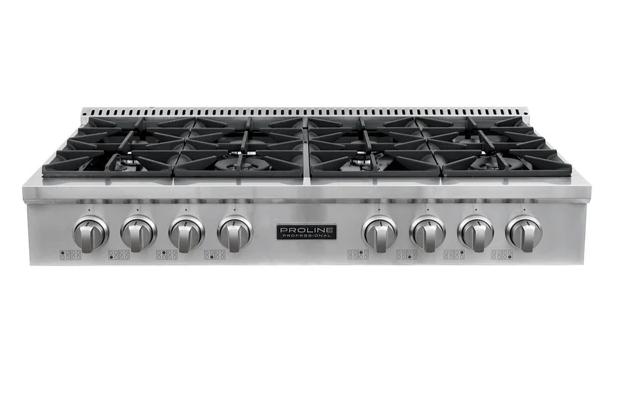
Cooking appliances can include gas ranges, electric ranges, induction cooktops, wall ovens, and dual-fuel configurations. The choice should reflect cooking preferences, available utilities, ventilation requirements, and kitchen layout.
Dishwashers
Dishwashers can differ in capacity, rack design, noise levels, wash cycles, drying technology, and installation requirements. A model that fits the available cabinet opening should be selected before considering additional features.
Microwaves and Ventilation
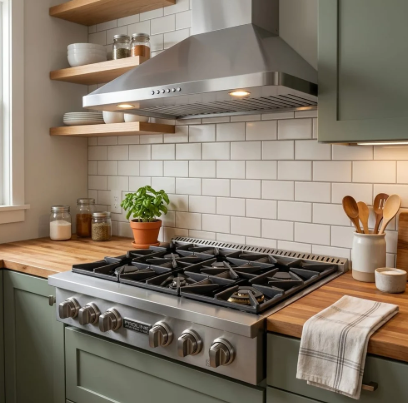
Microwaves and range hoods may also be included in larger packages. Ventilation deserves particular attention because its requirements can affect cabinetry, ductwork, electrical connections, and the overall kitchen design.
Why Consider Appliance Combo Packages?
One of the biggest advantages of appliance combo packages is convenience. Purchasing multiple appliances together can reduce the amount of separate research needed and make it easier to create a consistent visual style.
Matching appliances can provide continuity in finishes, controls, handles, and design. Bundled purchases may also sometimes come with package pricing or promotional incentives, although the actual savings should always be compared with the cost of purchasing equivalent appliances individually.
Another advantage is planning. When appliances are selected as a group, homeowners can consider their dimensions and functions together rather than trying to make independently selected products work within the same kitchen.
Are Appliance Packages Cheaper Than Buying Separately?
Not necessarily. A package may provide a lower combined price, but consumers should calculate the total cost of equivalent individual appliances before deciding that a bundle represents a saving.
A package can also include appliances that a homeowner does not actually need. Paying for unnecessary equipment can eliminate the financial benefit of a bundle.
When comparing a package deal on appliances, check the exact model numbers, specifications, warranty terms, delivery charges, installation costs, and any conditions attached to the advertised price.
The lowest package price is not necessarily the lowest overall cost if installation or modifications are significantly more expensive.
How Do You Choose the Right Appliance Combination?
The kitchen layout should be the starting point.
Measure Before Ordering
Measure every appliance opening carefully. Refrigerator, dishwasher, oven, and cooktop dimensions can affect cabinetry and clearances.
Manufacturers provide detailed installation specifications that may include minimum clearances, ventilation requirements, electrical connections, gas requirements, and water connections.
Consider How You Cook
Think about which appliances you use most frequently. Someone who prepares elaborate meals may prioritize a larger cooking surface, multiple ovens, or specialized cooking functions.
A household that primarily prepares simple meals may have little reason to spend significantly more on advanced cooking technology.
Prioritize the Most Important Appliances
It is not necessary to distribute the budget equally across every appliance. If cooking is the highest priority, more of the budget may be allocated to the range or cooktop.
For another household, refrigerator capacity or quiet dishwasher operation may matter more.
What Are Luxury Appliance Brands?
Luxury appliance brands generally focus on premium construction, advanced features, distinctive design, specialized cooking equipment, and integrated kitchen solutions.
The luxury category can include professional-style ranges, built-in refrigerators, specialty ovens, powerful ventilation systems, and other high-end equipment.
However, luxury does not automatically mean that an appliance is appropriate for every kitchen. A homeowner should consider whether the appliance's features and dimensions match actual requirements.
For example, a large professional-style range may be unnecessary for someone who rarely cooks, while a serious home chef may find the additional capacity and cooking controls valuable.
Which Features Should You Compare?
When comparing appliance packages, look beyond appearance. Important specifications include:
Appliance dimensions
Capacity
Energy efficiency
Cooking technology
Control systems
Noise level
Installation requirements
Warranty coverage
Maintenance requirements
Available service support
For cooking appliances, also consider burner configuration, oven capacity, temperature control, heating technology, and ventilation compatibility.
For refrigerators, storage configuration, temperature management, door style, and internal capacity may be more important.
Should All Kitchen Appliances Match?
Matching appliances are not essential, but they can create a more cohesive kitchen design. A coordinated package can make it easier to achieve consistent finishes and styling.
However, homeowners can also mix manufacturers if individual performance matters more than having identical designs.
For example, someone might choose a particular refrigerator because of its capacity while selecting a different manufacturer for the range because of its cooking performance.
The decision should ultimately depend on the priorities of the household and the kitchen design.
What Installation Issues Should You Consider?
Installation is one of the most overlooked aspects of buying appliances.
A new appliance may require different electrical capacity, gas connections, plumbing, ventilation, cabinet modifications, or floor clearance than an existing appliance.
Large refrigerators may require specific door clearances. Ranges may need appropriate ventilation. Dishwashers require plumbing and electrical connections.
For this reason, appliance selection should happen early enough in a renovation to coordinate with cabinetmakers, electricians, plumbers, and other professionals.
What Mistakes Should You Avoid?
Several common mistakes can create unnecessary expenses.
Choosing Based Only on Price
A low price does not necessarily represent good value. Consider performance, durability, installation, and long-term ownership costs.
Ignoring Measurements
An appliance that looks suitable online may not fit the actual cabinet opening.
Buying Unnecessary Features
Advanced technology can be useful, but only when it serves a genuine need.
Forgetting Ventilation
Cooking equipment should be planned together with the ventilation system to ensure the kitchen can accommodate both.
Assuming Every Bundle Is a Bargain
Always compare the package against equivalent individual purchases and include installation and delivery costs in the calculation.
How Can You Get the Best Value From a Package?
Start by listing the appliances actually required for the kitchen. Establish a budget and identify which appliances deserve the greatest investment.
Then compare packages according to exact model numbers rather than simply comparing package names. Check dimensions, features, warranties, installation requirements, and total costs.
It can also be useful to compare a complete bundle against a mixed configuration. Sometimes purchasing selected appliances individually can produce a better combination of performance and price.
Conclusion
Appliance combo packages can simplify kitchen planning by bringing multiple major appliances together in a coordinated configuration. They can provide convenience, visual consistency, and potentially attractive pricing, but homeowners should evaluate the complete package rather than assuming that a bundle automatically provides better value. When comparing luxury appliance brands, focus on features and construction that genuinely match your cooking habits, kitchen layout, and long-term expectations. Premium equipment can be valuable when its capabilities are used regularly, but expensive features are not automatically necessary for every household. A package deal on appliances should ultimately be judged by its total cost, specifications, installation requirements, warranty coverage, and usefulness. Careful comparison before purchasing can help homeowners create a functional, cohesive kitchen without paying for appliances or features they do not need.


Write a comment ...